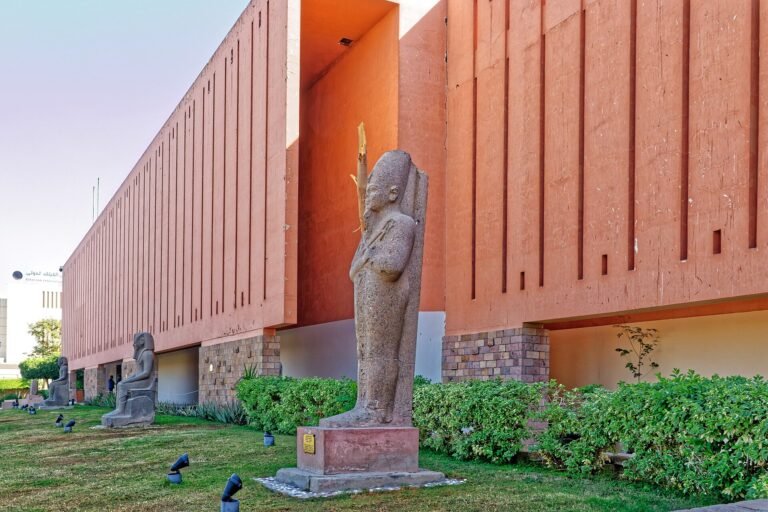
Ancient Thebes – modern Luxor – is often called the world’s greatest open-air museum, and it is easy to see why: within a few kilometres sit Karnak Temple, Luxor Temple, the Valley of the Kings, and the Colossi of Memnon. This guide walks through what to see on both banks of the Nile and how to fit it all in.
East Bank: Karnak and Luxor Temples
The East Bank is Luxor’s living, working city, and home to two of Egypt’s largest temple complexes.
Karnak Temple
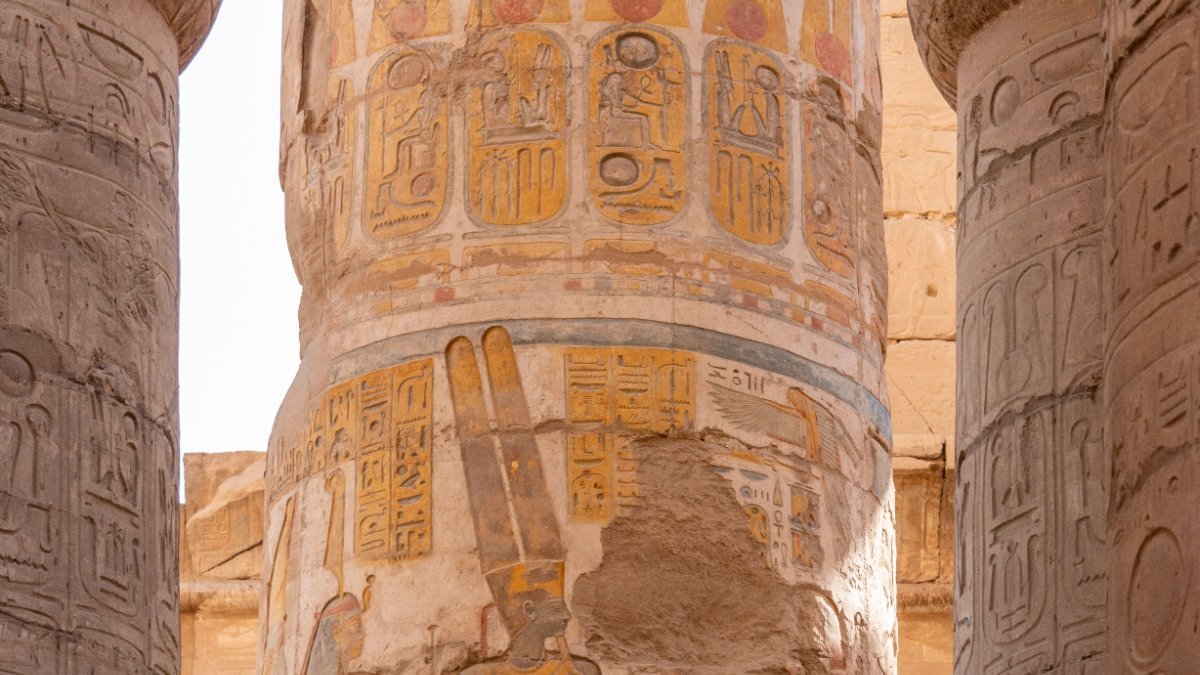
Built and expanded over roughly 2,000 years by successive pharaohs, Karnak is the largest religious complex ever constructed. Its Hypostyle Hall alone contains 134 massive columns, several tall enough to dwarf a five-storey building. Plan at least two hours here, and consider returning in the evening for the Sound and Light Show.
Luxor Temple
Smaller than Karnak but beautifully lit at night, Luxor Temple sits right in the city centre and was once connected to Karnak by a 3-kilometre avenue of sphinxes, now restored and walkable in parts.
West Bank: The Valley of the Kings
Across the Nile, the West Bank holds the necropolis of New Kingdom Egypt.
- Valley of the Kings: more than 60 tombs cut into the desert cliffs, including Tutankhamun’s tomb (a separate ticket). General admission covers three tombs of your choice.
- Temple of Hatshepsut: a dramatic terraced mortuary temple built for Egypt’s most powerful female pharaoh, set directly into the cliff face at Deir el-Bahari.
- Colossi of Memnon: two 18-metre stone statues of Amenhotep III, all that remains of his once-vast mortuary temple.
- Valley of the Queens: smaller and quieter than the Kings’ valley, home to the exquisitely decorated tomb of Queen Nefertari.
How Much Time Do You Need in Luxor?
Two full days is the practical minimum – one for each bank of the Nile. Three days allows a more relaxed pace and room for a hot air balloon flight at sunrise, one of the most popular add-on experiences in Egypt.
Getting to Luxor
Most visitors reach Luxor either by a short domestic flight from Cairo (around one hour) or as part of a Nile cruise from Aswan. Both options work well; flying suits travellers on a tighter schedule, while cruising lets you see Luxor as the final stop of a multi-day Nile journey.
Luxor is a core stop on our 6-Day Cairo, Luxor & Aswan Tour Package, and also the starting point of our 4-Night Luxor to Aswan Nile Cruise, which combines Karnak and the Valley of the Kings with a leisurely sail down the Nile to Aswan.
Frequently asked questions
How many days do you need in Luxor?
Two days at minimum to cover both banks properly; three days if you want to add a hot air balloon ride or explore at a slower pace.
Is Karnak or Luxor Temple better?
Karnak is larger and more impressive by scale; Luxor Temple is more compact and especially beautiful at night when lit up.
Do I need an extra ticket for Tutankhamun’s tomb?
Yes, Tutankhamun’s tomb requires a separate ticket beyond the standard Valley of the Kings admission, which covers three other tombs of your choice.
Is a hot air balloon ride over Luxor worth it?
Most travellers who do it call it a trip highlight – sunrise views over the Valley of the Kings and the Nile are hard to match from ground level.
Can I visit Luxor as part of a Nile cruise?
Yes, Luxor is the traditional starting or ending point for Nile cruises to and from Aswan, and pairs naturally with a multi-day sailing itinerary.