
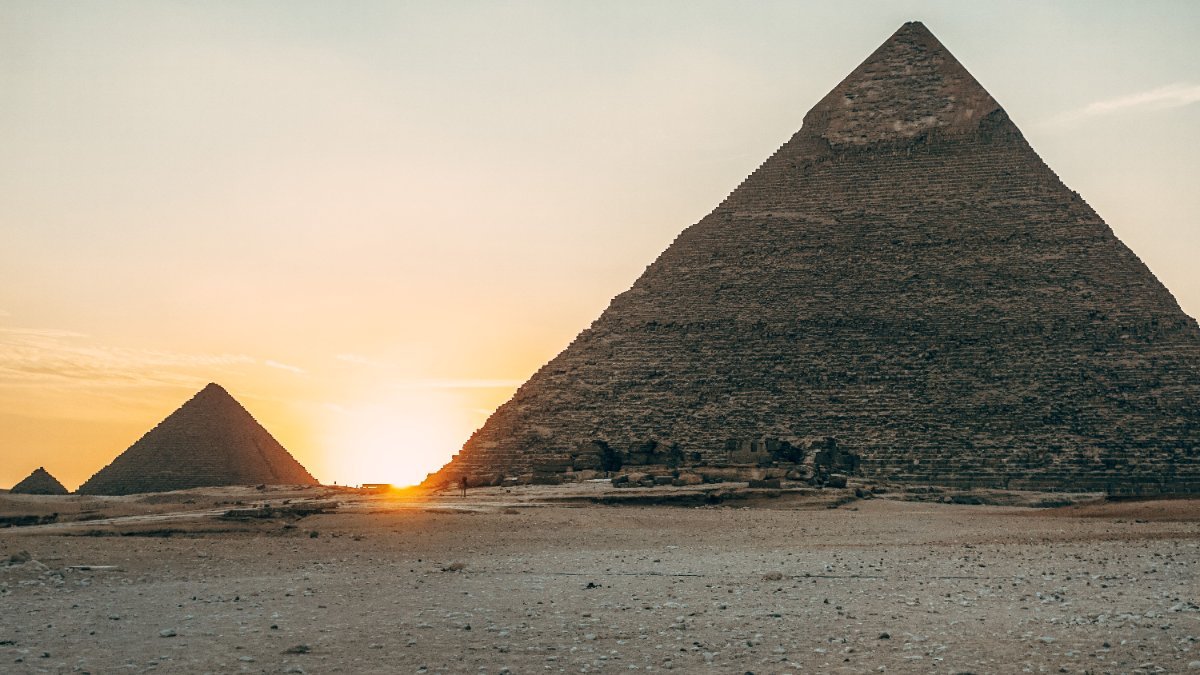
Egypt is a year-round destination, but when you go changes almost everything about the trip – from how comfortable a day at the Pyramids will feel to how many other travellers you will share the Valley of the Kings with. Here is a season-by-season breakdown to help you plan.
Egypt’s Climate in Brief
Egypt has a desert climate with very little rainfall almost anywhere in the country. The main variable is temperature, and it swings dramatically by season, especially in Upper Egypt (Luxor and Aswan), which runs noticeably hotter than Cairo or Alexandria year-round.
Season-by-Season Guide
Winter (November – February): The Peak Season
Daytime temperatures typically sit between 18–25°C in Cairo and slightly warmer in Luxor and Aswan, with cool evenings. This is the most comfortable time to explore outdoor sites like Giza and Karnak, and consequently the busiest and most expensive period to travel, especially around the Christmas and New Year holidays.
Spring (March – April): A Strong Alternative
Warm, pleasant days with fewer crowds than winter, though late March into April can bring the khamsin – hot, dusty winds blowing in from the desert for a few days at a time. Still a very good window for sightseeing.
Summer (May – August): Hot but Cheaper
Temperatures in Luxor and Aswan regularly exceed 40°C in the early afternoon, making midday sightseeing genuinely uncomfortable. Travellers who visit in summer generally start tours at dawn, rest during the hottest hours, and take advantage of significantly lower prices and thinner crowds at major sites.
Autumn (September – October): The Quiet Sweet Spot
Temperatures begin easing from the summer peak while crowds and prices haven’t yet reached winter levels, making September and October a genuinely underrated window to visit.
Best Time by Trip Type
- Pyramids & Cairo sightseeing: October to April for comfortable walking weather
- Nile cruise (Luxor to Aswan): year-round, but October to April avoids the most intense Upper Egypt heat
- Red Sea diving and beach time: April to June and September to November, avoiding peak summer heat and winter’s cooler water
- Budget travel: June to August offers the lowest prices, provided you plan around the heat
Practical Planning Tips
- Book winter travel (especially December) well in advance – it is Egypt’s busiest season
- If visiting in summer, schedule outdoor sites for early morning and rest during the 1–4 PM heat
- Pack layers for winter evenings, especially in Aswan and the desert, where nights can turn cool
- Check the Islamic calendar for Ramadan dates, which shift each year and affect restaurant hours and some site schedules
Whichever season you choose, our tours – from the Cairo & Giza Pyramids Shore Excursion to the multi-day 6-Day Cairo, Luxor & Aswan Tour Package and the 4-Night Luxor to Aswan Nile Cruise – are run privately and timed around comfortable hours at each site, so your guide can adjust the pace to the weather on the day.
Frequently asked questions
What is the single best month to visit Egypt?
October and March are often considered the sweet spot – comfortable temperatures without winter’s peak crowds and prices.
Is it too hot to visit Egypt in summer?
It is hot, especially in Luxor and Aswan, but manageable if you schedule sightseeing for early morning and rest during the hottest afternoon hours.
When is Egypt the most crowded?
December through February, particularly around Christmas and New Year, sees the highest visitor numbers and prices.
Does it rain in Egypt?
Rarely – Egypt has a desert climate with minimal rainfall almost everywhere outside Alexandria and the northern coast in winter.
Is Egypt safe to visit during Ramadan?
Yes, though some restaurants adjust their hours and major sites can be quieter during the day and busier after sunset; it is worth checking the dates before booking.


