The Pyramids of Giza are the last surviving wonder of the ancient world, and for most travellers they are also the single biggest reason to visit Egypt. This guide covers when to go, how to buy tickets, what you will actually see on the plateau, and how to plan your visit around the Great Sphinx and the Egyptian Museum.
A Quick Overview of the Giza Plateau
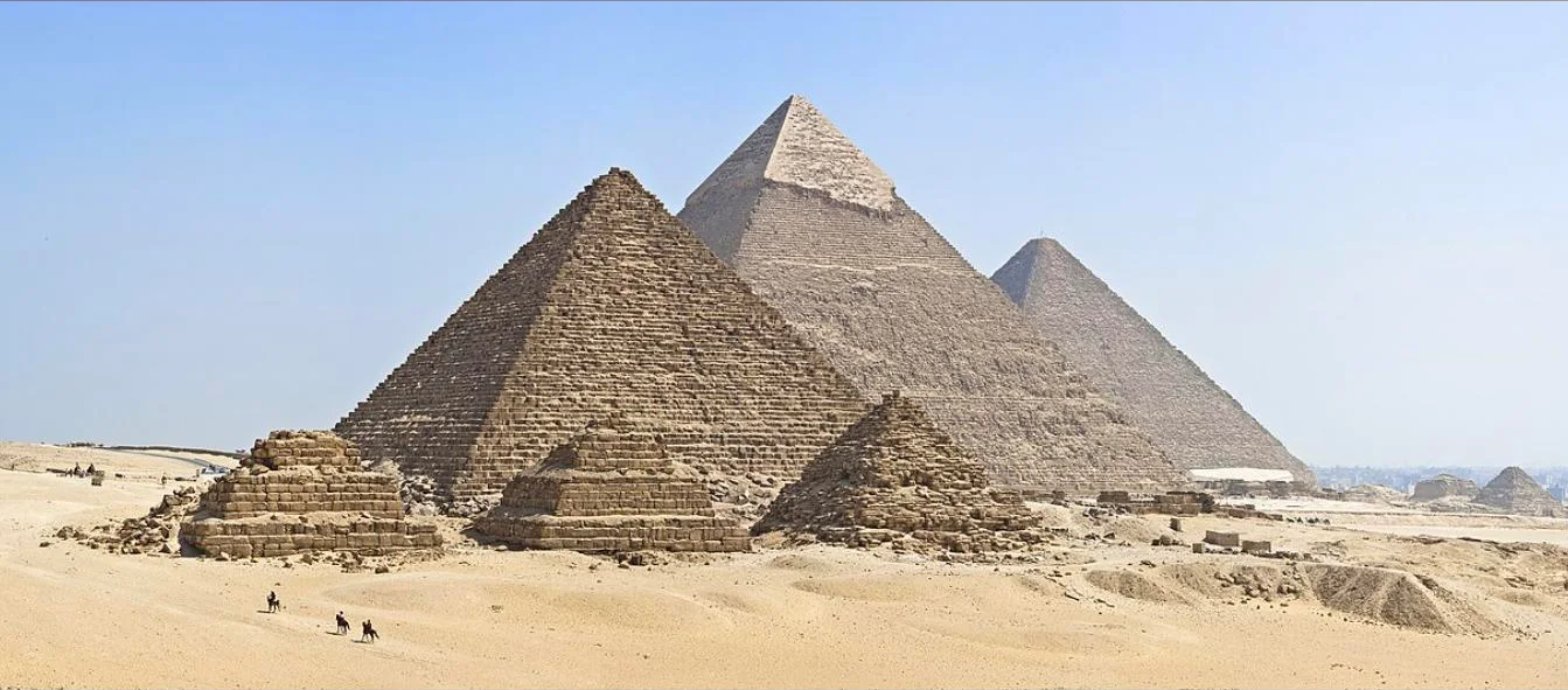
The Giza Necropolis sits on the western edge of Cairo and holds three main pyramids – Khufu (the Great Pyramid), Khafre, and Menkaure – along with the Great Sphinx, several smaller queens’ pyramids, and the Solar Boat Museum. Most visits last between three and five hours, though it is easy to spend a full morning here if you want to go inside a pyramid or ride a camel along the ridge overlooking the plateau.
Best Time to Visit the Giza Pyramids
Cairo is hot and crowded by midday, so arriving at opening time (usually 8:00 AM) makes a real difference. The cooler months from October to April are the most comfortable for walking around the plateau, while June to August can be extremely hot, often above 38°C in the early afternoon. If you can only choose a time of day, early morning or the last two hours before closing offer the softest light for photos and noticeably thinner crowds.
Seasonal Snapshot
- October – April: Mild weather, the busiest tourist season
- May & September: Warm but manageable, fewer crowds
- June – August: Very hot, best visited at dawn
Tickets and What They Cover
General admission covers the plateau, the Sphinx enclosure, and the exterior of all three pyramids. Entering inside the Great Pyramid or Khafre’s pyramid requires a separate ticket sold in limited numbers each day, so it is worth arriving early if that experience matters to you. The Grand Egyptian Museum, near the plateau, is a separate ticket and easily deserves half a day on its own.
What to See Beyond the Three Pyramids
- The Great Sphinx: best photographed from the viewing platform in front of its paws
- The Panoramic Point: the classic wide shot of all three pyramids together, usually reached by camel, horse, or car
- The Solar Boat Museum: a 4,600-year-old funerary boat found buried beside the Great Pyramid
- Khafre’s Valley Temple: one of the best-preserved Old Kingdom structures in Egypt
Practical Tips for a Smooth Visit
- Hire a licensed guide or join a private tour – the plateau has no signage explaining what you are looking at
- Agree on camel, horse, or vehicle prices before you get on, and only through your guide or a marked kiosk
- Wear closed shoes; the ground is uneven sand and stone
- Bring cash in small denominations for tips and incidental purchases
- Combine Giza with the Egyptian Museum in central Cairo for a full day covering ancient and modern Cairo
If you are arriving in Egypt on a limited schedule, our Cairo & Giza Pyramids Shore Excursion is built exactly around this itinerary – private guide, air-conditioned vehicle, and timing built backward from your return deadline. Travellers planning a longer stay often prefer our 6-Day Cairo, Luxor & Aswan Tour Package, which pairs Giza with Luxor and Aswan in one trip.
Frequently asked questions
How long do you need at the Pyramids of Giza?
Most visitors need three to five hours to see the plateau properly, including the Sphinx and the panoramic viewpoint. Add another hour if you plan to go inside a pyramid.
Can you go inside the Great Pyramid?
Yes, with a separate entry ticket sold in limited daily numbers. The passages are steep, narrow, and low, so it is not recommended for anyone with mobility or breathing difficulties.
Is it safe to ride a camel at Giza?
Camel and horse rides are generally safe when booked through a licensed guide or official kiosk with an agreed price in advance. Avoid informal offers directly on the road leading to the plateau.
What should I wear to visit the Pyramids?
Light, breathable clothing that covers the shoulders and knees, closed walking shoes, a hat, and sunscreen. The plateau has almost no shade.
Is Giza worth visiting if I only have one day in Cairo?
Yes – it is the highlight of most Egypt itineraries and can comfortably be combined with the Egyptian Museum in a single day.