Looking at the Sun without proper protection can cause permanent eye damage, often without any pain at the time. During a total solar eclipse, the rules are simple but strict: use certified solar viewers for every partial phase, and remove them only during the brief moments of totality. This guide covers what to buy, how to check it, and how to watch safely in Egypt on August 2, 2027.
When Is It Safe to Look at the Eclipse?
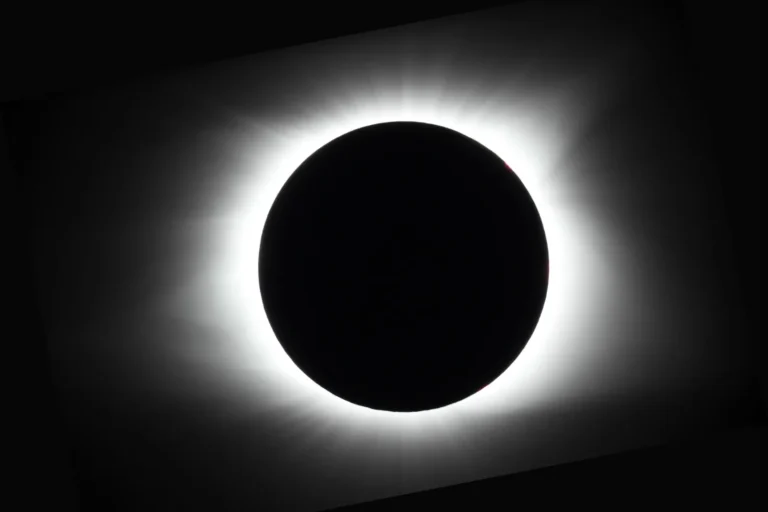
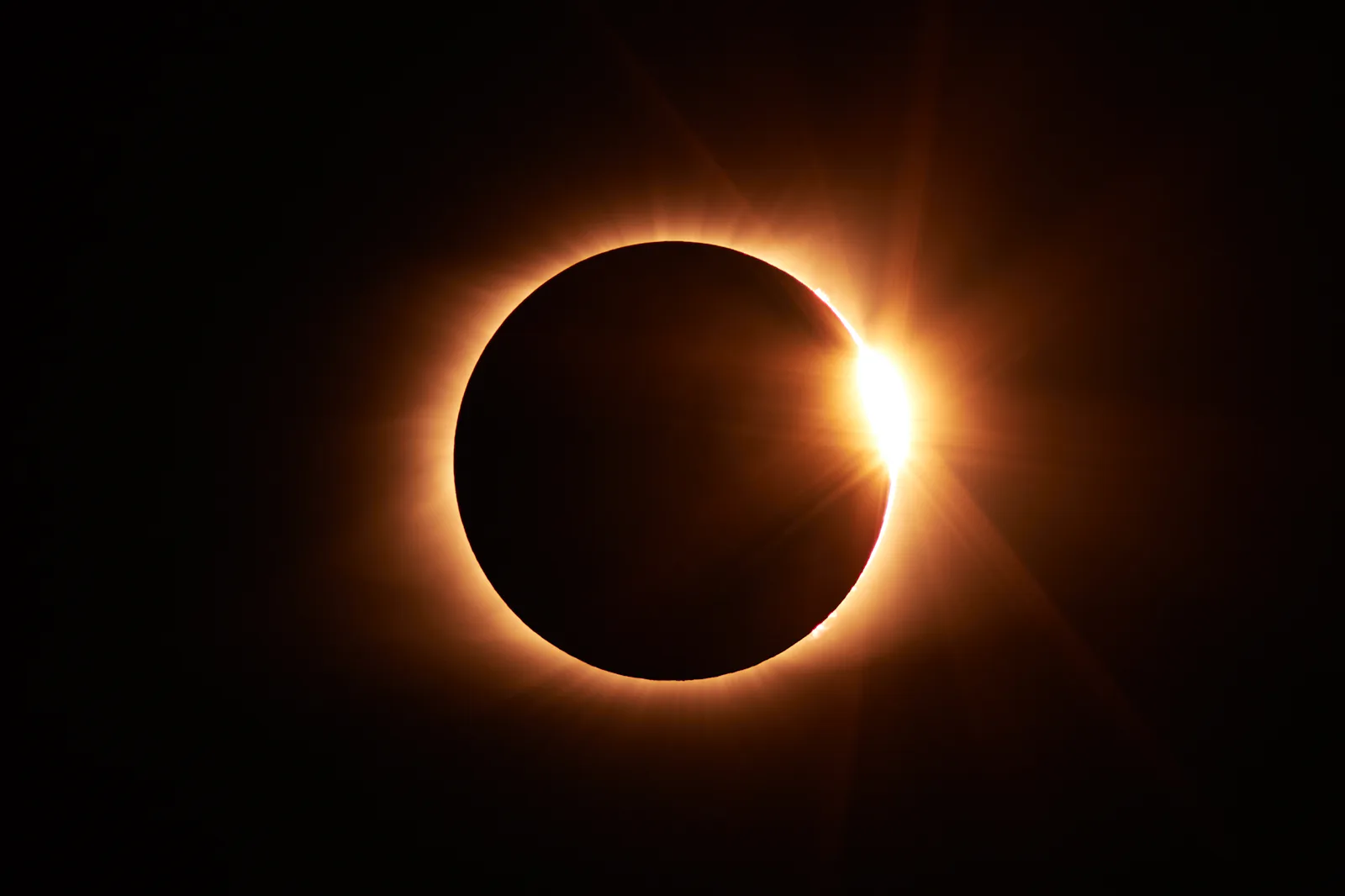
Looking directly at the Sun is safe only during totality, when the Moon completely covers the Sun’s bright disk. The totally eclipsed Sun is no brighter than a full Moon. Before totality begins and after it ends, any exposed part of the Sun is dangerously bright, and you need protection. Your guide will tell you when totality starts and when to put your glasses back on.
What to Look For: ISO 12312-2
Safe eclipse glasses and handheld viewers conform to the international standard ISO 12312-2 for direct observation of the Sun. The American Astronomical Society advises buying from manufacturers on its approved list or from their authorized resellers, because some sellers print a reputable brand name on products that have not been tested. Ordinary sunglasses, no matter how dark, are not safe for looking at the Sun.
Three Quick Checks Before You Use Them
Indoors: you should see almost nothing through them except very bright lights, which should look faint.
Outdoors on a sunny day: you should still not see ordinary objects through the lenses.
When looking at the Sun: you should see a sharp-edged, round disk that is comfortably bright against a dark background.
If the viewer is torn, scratched, punctured or coming loose from its frame, discard it. Do not look through glasses for long stretches: the AAS suggests brief looks of no more than two or three seconds at a time.
Cameras, Binoculars and Telescopes
Never look at the Sun through a camera, binoculars or a telescope while wearing eclipse glasses, because the concentrated light can burn through the filter and damage your eyes. Optical equipment needs its own certified solar filter fitted over the front of the lens. Professional photography equipment may not be permitted at some designated viewing sites, so check with your guide before you pack it.
Eclipse Glasses and Our Egypt Tours
Eclipse glasses and specialist viewing or photography equipment are not included in our tour prices, so buy certified viewers before you travel and bring a spare pair. Our team and Egyptologist guides brief every group on timing and safety before eclipse day. Browse our Egypt solar eclipse tours for 2027, or read the complete 2027 eclipse guide and our advice on where to watch in Luxor.
For the full technical advice from astronomers, see the American Astronomical Society’s page on how to tell if your viewers are safe.
Frequently Asked Questions
Are normal sunglasses safe for the eclipse?
No. Only viewers that meet ISO 12312-2 are safe for looking at the Sun.
Can I take my glasses off during totality?
Yes, but only while the Sun is completely covered. Put them back on as soon as the bright edge returns.
Where should I buy eclipse glasses?
Buy from a manufacturer or authorized reseller on the American Astronomical Society’s approved list before you travel.
Are eclipse glasses included in your tours?
No. They are listed under what is not included, and we recommend bringing a spare pair.